
LED Lights

surface-mounted lights
107 Produkte

Bathroom
89 Produkte

ceiling lights
184 Produkte

Recessed Lights and Spotlights
116 Produkte

Damp-proof luminaires
38 Produkte

LED floodlights
85 Produkte

Hall lights
21 Produkte

LED panels
55 Produkte

floor lamps
5 Produkte

table lamps
3 Produkte

under-cabinet lights
12 Produkte

wall lights
25 Produkte
-
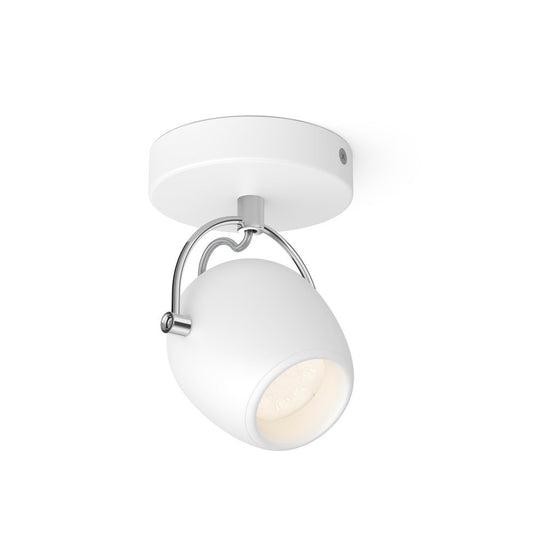
Philips LED ceiling light 1 Spot Light 4.3W white 430lm surface-mounted light 36° Rivano warm white 2700K
In stockRegular price €9,90 EURRegular price -
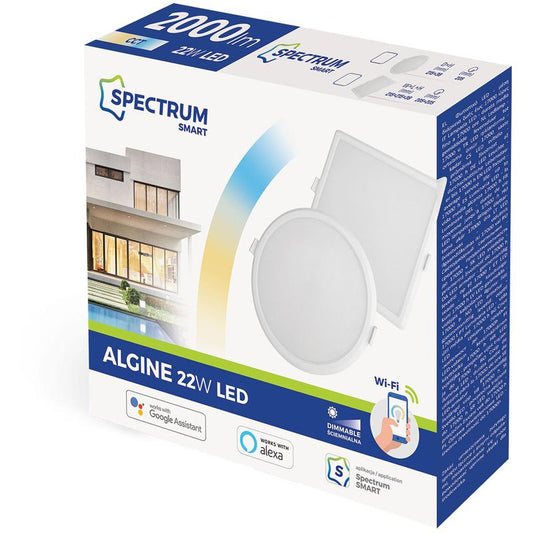
ALGINE SMART LED Recessed Light Ø21.5cm 22W CCT Dimmable IP20
In stockRegular price €12,90 EURRegular price -
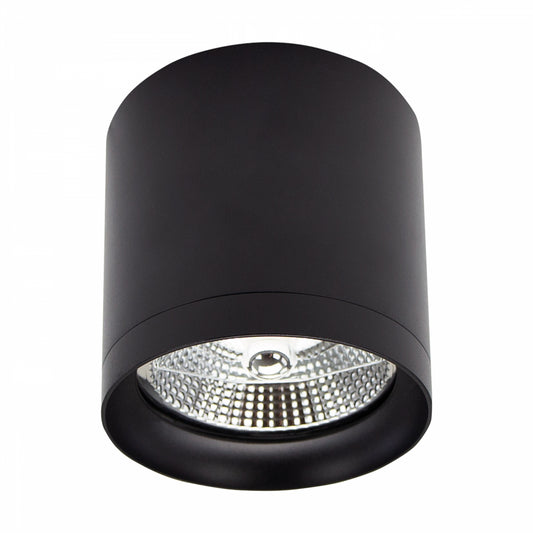
CHLOE AR111 LED Ceiling Light Ø11.8cm Glare-Free Black
In stockRegular price €14,90 EURRegular price -
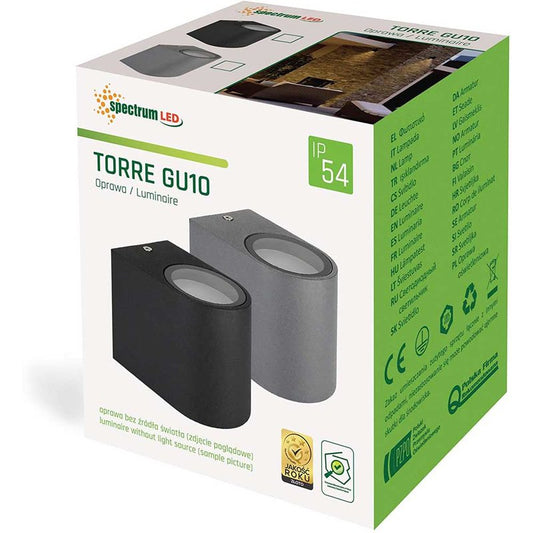
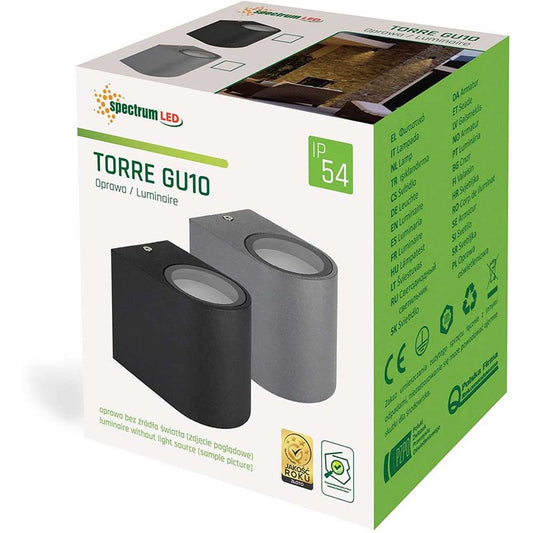
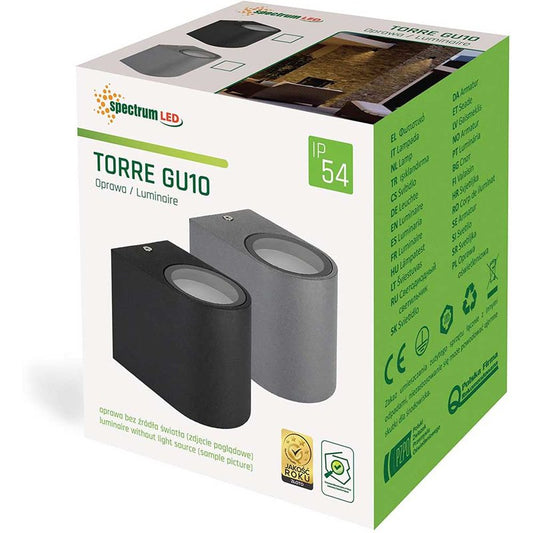
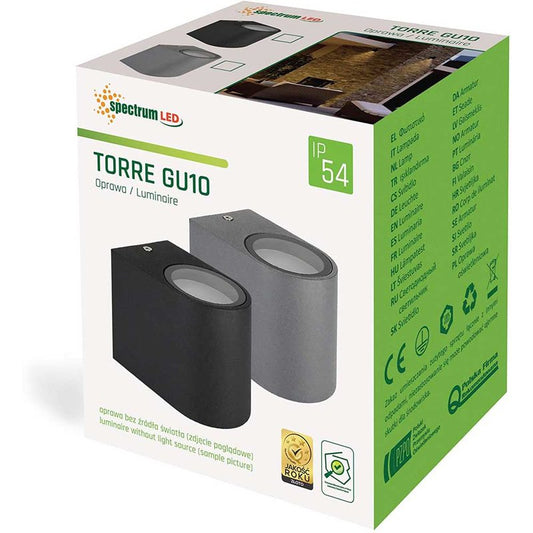
TORRE GU10 LED Outdoor Wall Light 6W Black IP54
Regular price €5,99 EURRegular price -
TORRE GU10 LED Outdoor Wall Light 6W Grey IP54
In stockRegular price €5,99 EURRegular price -
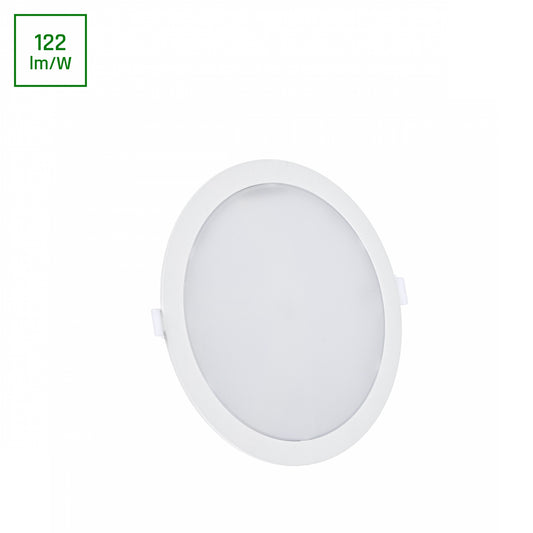
ALGINE LED Ceiling Light Ø22.3cm 18W Warm White White
In stockRegular price €6,69 EURRegular price -
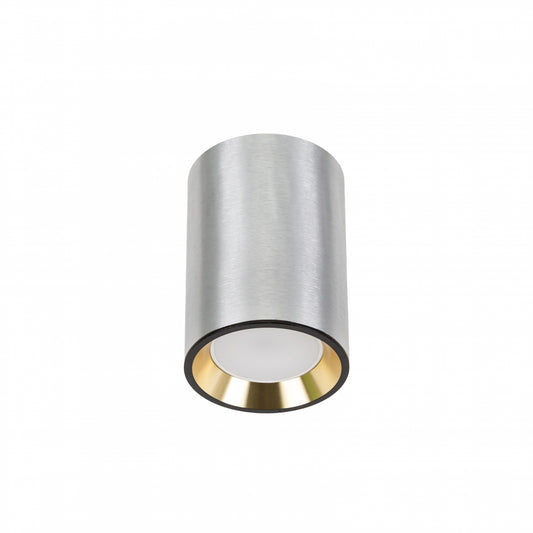
CHLOE MINI LED Ceiling Light Ø7cm GU10 Silver
In stockRegular price €8,79 EURRegular price -
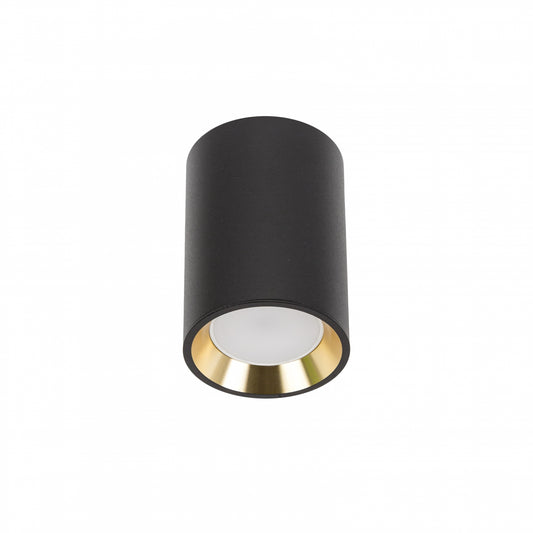
CHLOE MINI LED Ceiling Light Ø7cm GU10 Black
In stockRegular price €9,90 EURRegular price -
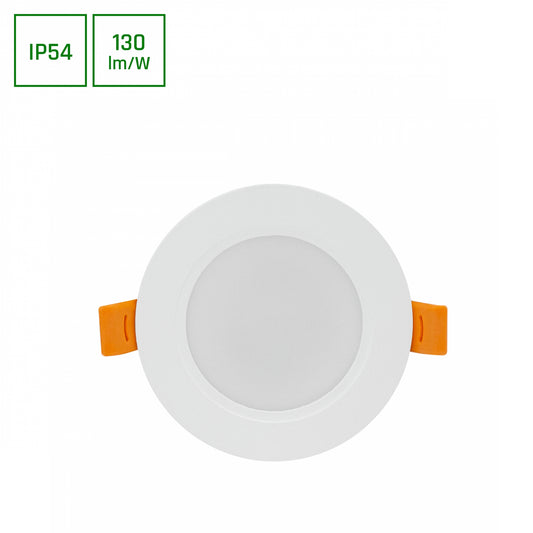
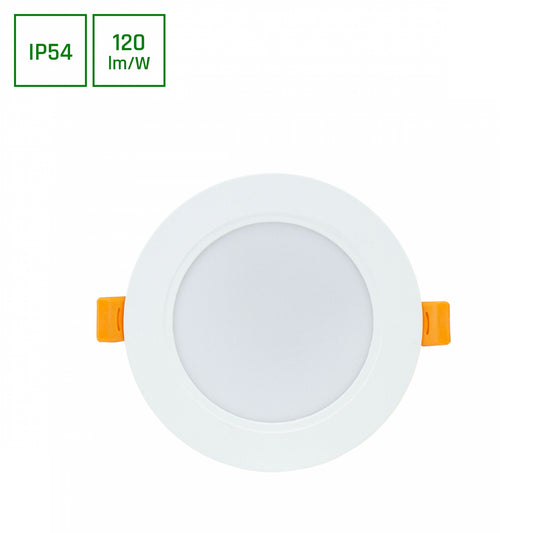
DURE 3 LED Recessed Light Ø9.5cm 5W 6000K IP54 Bathroom
In stockRegular price €5,90 EURRegular price -
Ledvance LED outdoor light Endura Style Crytsal Torch IP44 stainless steel 4.5W wall light 400lm warm white 3000K
In stockRegular price €29,90 EURRegular price -
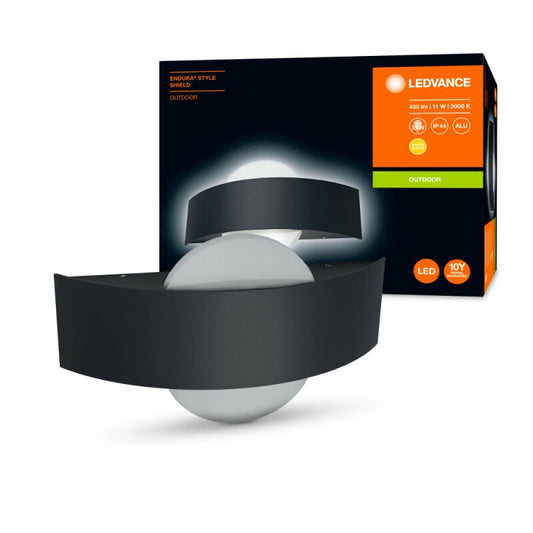
Ledvance LED outdoor light Endura Style Shield IP44 round 11W wall light 400lm warm white 3000K
In stockRegular price €24,90 EURRegular price -
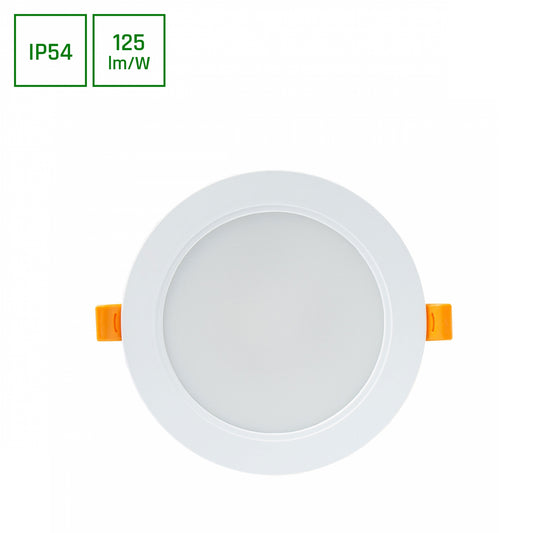
DURE 3 LED Recessed Light Ø12cm 8W 4000K IP54 Bathroom
In stockRegular price €5,90 EURRegular price -
DURE 3 LED Recessed Light Ø14.5cm 12W 4000K IP54 Bathroom
In stockRegular price €6,49 EURRegular price -
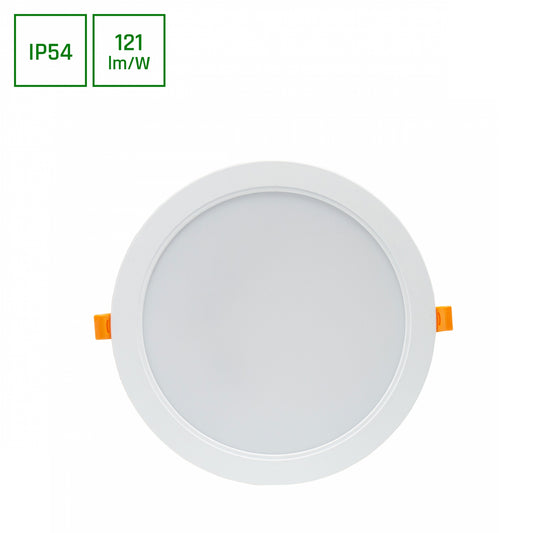
DURE 3 LED Recessed Light Ø22cm 24W 4000K IP54 Bathroom
In stockRegular price €9,90 EURRegular price -
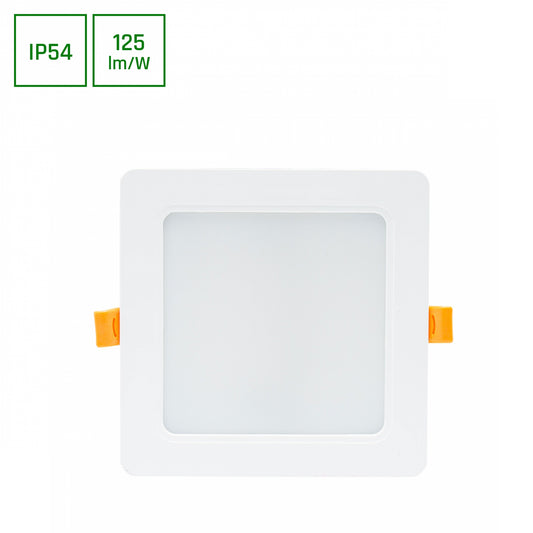
DURE 3 LED Recessed Light 14.5x14.5cm 12W 6000K IP54 Bathroom
In stockRegular price €5,90 EURRegular price -
DURE 3 LED Recessed Light 17x17cm 18W 3000K IP54 Bathroom
In stockRegular price €8,29 EURRegular price -
DURE 3 LED Recessed Light 17x17cm 18W 6000K IP54 Bathroom
In stockRegular price €8,49 EURRegular price -
DURE 3 LED Recessed Light 22x22cm 24W 6000K IP54 Bathroom
In stockRegular price €10,90 EURRegular price -
ALGINE LED Ceiling Light 288x288mm 24W Neutral White White
Regular price €14,90 EURRegular price -
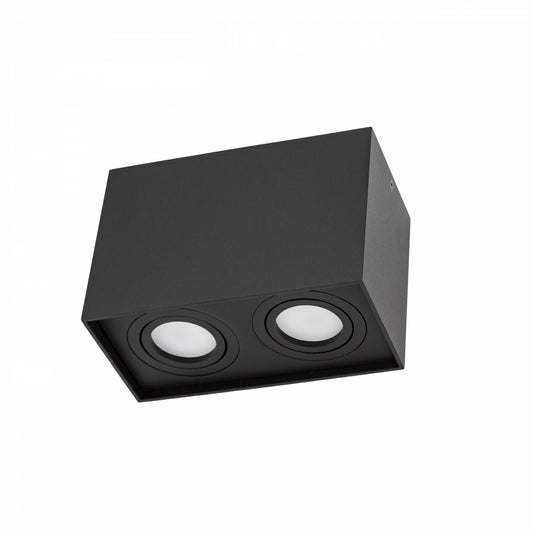
CHLOE DUO LED Ceiling Light 2-bulb GU10 Swiveling Black
In stockRegular price €17,90 EURRegular price


















How to Choose the Right LED Lighting
Collection: lights


